Why the Best Leaders Are Turning Inward Before They Scale Outward
May 21, 2026
By Sandeep Amar Gupta and Team
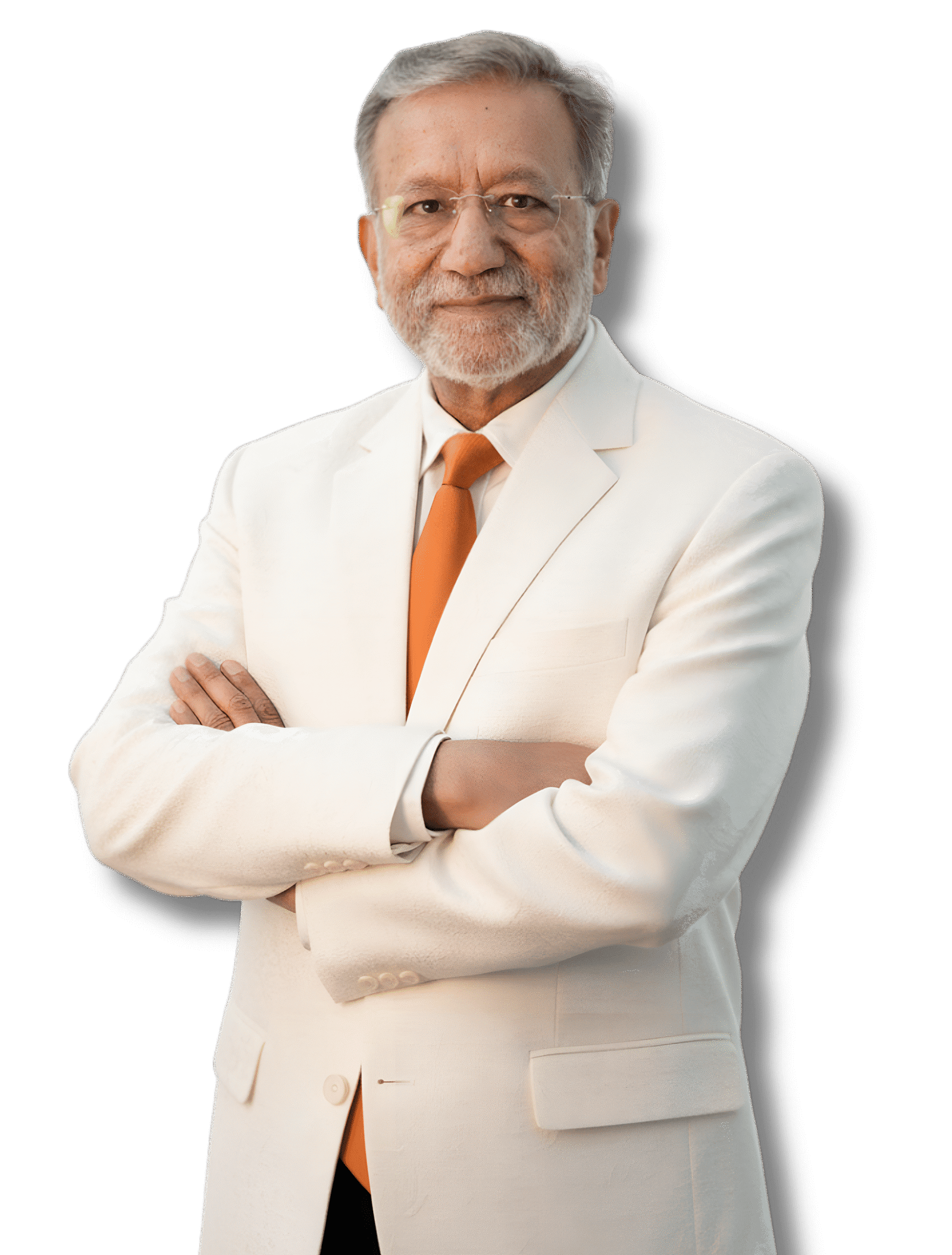
Hi! I'm Sandeep Amar Gupta
Helping harness Consciousness (Inner Operating System) for sustainable results, income & peace.
When was the last time you sat quietly for ten minutes without your mind racing? Not meditating. Not planning. Just sitting. Quietly. With nothing demanding your attention. If that question made you uncomfortable, that discomfort is worth paying attention to.
What I keep seeing at the top
The leaders who concern me most are never the ones struggling visibly. They are the ones succeeding externally while fragmenting quietly on the inside. Once a senior leader who had accomplished everything, company thriving, numbers growing, team strong, everything pointing to a win, pulled me aside and said, “Sandeep, I cannot remember the last time I sat quietly for ten minutes without my mind racing.”
He was not failing. He was fragmenting. His entire system was running on quiet emergency. Every decision filtered through a nervous system which had got habituated to remain 24/7 on high alert. That is the hidden epidemic in leadership today. Not failure. Fragmentation.
The problem with pressure as a permanent state
A world driven by ruthless competition has ingrained in us that pressure sharpens performance. Honestly, in short bursts, it does. But chronic pressure does something entirely else. It narrows the mind. Makes every problem feel like a crisis. Turns strategic leaders into reactive ones. And the pattern does not change with the size of the title or the scale of the organization.
A stressed mind cannot access the full range of its own intelligence. That is not philosophy. That is neuroscience. It is the reason two leaders can look at the same situation and see completely different things. One sees the threat. The other sees the opportunity. The difference is rarely intelligence. It is their inner state.
What Satya Nadella understood that most people missed
When Nadella took over Microsoft, everyone watched the strategy. But the first thing he actually changed was the emotional climate inside the organization. Empathy. Genuine listening. A culture where people were allowed to learn rather than perform certainty. The result was not softness. It was one of the most dramatic corporate reinventions. It was conscious leadership in action. Clarity before action.
Your inner state is your leadership
The quality of your decisions, your communication, your culture, your relationships at work, all of it traces back to one thing. The state you are operating from on the inside. A stressed mind sees threats. A calm mind sees options.
Novak Djokovic has spoken openly about this. At the highest level of tennis, technical skill is a given. What separates the best from the rest is emotional regulation and mental stillness. The same is true in a boardroom. It is precisely this understanding that makes a consciousness leadership speaker relevant not just on stage but inside the real conversations that shape organizations.
Through my S.H.E. Framework I help leaders look at themselves through three interconnected lenses. Spiritual Dynamics, which is how they respond to uncertainty, failure, and pressure. Human Potential, which expands when their inner noise reduces. And Economic Strategy, which sharpens when the first two are in place. These are not separate conversations. They are one conversation. And as a keynote speaker on human potential, this is the conversation I find myself having more than any other, in boardrooms, on global stages, and in one on one sessions with leaders who have everything externally and are quietly seeking something more internally.
Consciousness is not the opposite of performance. It is the source of it.
When executives hear the word consciousness they often think I am asking them to slow down or soften up. In fact, I am asking the opposite. To bring the same rigor they apply to their balance sheet to their own inner operating system. This is what separates a motivational speaker for CEOs from someone who simply energizes a room for an hour. Real impact happens when leaders leave not just inspired but fundamentally shifted in how they see themselves and the systems they lead.
Because eventually every organization mirrors the inner state of its leadership. The culture, the trust, the quality of decisions, the ability to hold great people. All of it traces back to what is happening inside at the top.
The leaders who focus on their inner system are not stepping away from the game. They are playing it at a level most others cannot yet see. And this, in my experience, is where the real competitive advantage lives.
For deeper insights on conscious growth, leadership clarity, and human potential, visit www.sandeepamarguppta.com
More Like This
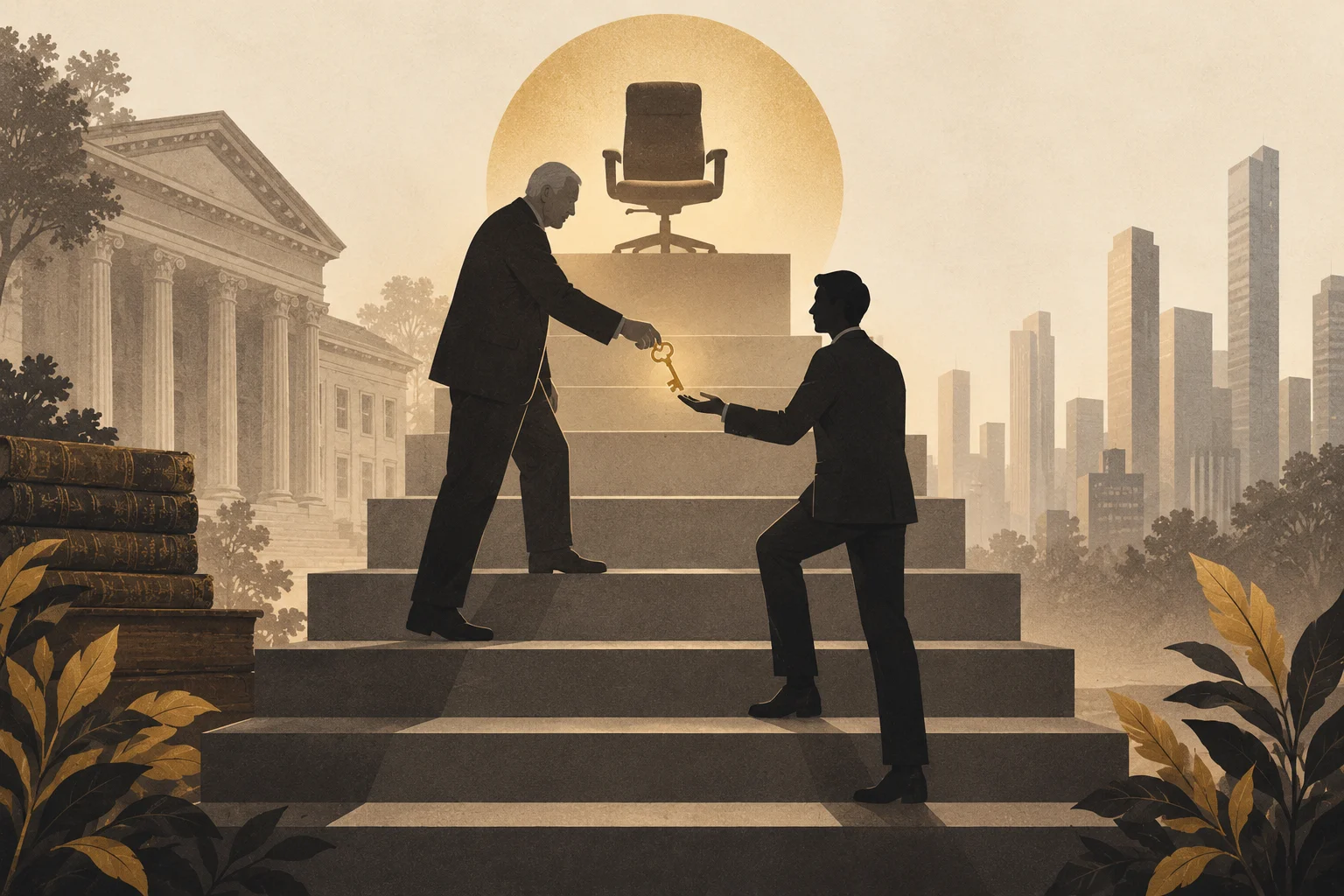
Succession in Family Business: How to Hand Over Control Step by Step
September 23, 2026
How to Disagree in a Family Business Without Hurting the Family
September 16, 2026
Can Conscious Leadership Really Drive Business Profitability?
August 27, 2026
Succession in Family Business: How to Hand Over Control Step by Step
September 23, 2026