The Calm Advantage: Why the World’s Best Leaders Are Getting Quieter, Not Louder
May 17, 2026
By Sandeep Amar Gupta and Team


Hi! I'm Sandeep Amar Gupta
Helping harness Consciousness (Inner Operating System) for sustainable results, income & peace.
The leaders who will define the next decade are not the most aggressive people in the room. They are the calmest.
And that calm is not a personality trait. It is a practice. A discipline. And increasingly, a competitive advantage that separates leaders who sustain extraordinary performance from those who eventually burn out at the top.
The Deal That Looked Perfect on Paper
I want to tell you about a senior leader who was sitting inside what should have been one of the best moments of his career. The acquisition numbers looked strong. His advisors were aligned. The board had approved. Everything on paper pointed to a win. But something inside him felt unsettled. He could not name it. He pushed past it, told himself it was nerves, and signed off on the deal.
Eighteen months later, the integration collapsed. Not because the financials were wrong. Not because the strategy was flawed. But because the cultural misalignment was deep, and he had never paused long enough to sense it. The spreadsheet could not have told him. Only stillness could have.
The Conversation Nobody at the Top Is Having
Most senior leaders reading this are not struggling with intelligence, experience, or vision. You have all of that. What many are quietly struggling with is the inner game. The overthinking at 2am before a major call. The decision fatigue that quietly sets in by Thursday. The feeling of running a thriving organization while something inside feels increasingly fragmented. A founder once said something to me I have not been able to forget. He said, “I built exactly the company I wanted. But somewhere in the building of it, I lost the ability to feel at peace inside it.”
That sentence is more common at the top than most people are willing to admit publicly.
What Pressure Is Actually Testing
Here is what nobody tells you about pressure. It does not only test your strategy. It tests your inner operating system. A CEO can know exactly what the right move is, and still execute poorly because fear, ego, or unresolved internal conflict is running quietly underneath every decision. The science behind this is straightforward. A mind under sustained stress literally sees fewer options. When the nervous system is dysregulated, perception narrows. Leaders stop responding and start reacting. And reactive leadership at the top is one of the most expensive problems an organization can have, because the emotional state of one senior leader cascades through an entire team without anyone realizing it is happening.
Meetings become tense. Communication turns defensive. Creativity quietly disappears because people are spending their energy managing the leader’s state rather than solving real problems.
What a Calm Mind Actually Does
A calm mind does the opposite. It sees patterns others miss. It reads people more accurately. It holds a longer strategic view when everyone else is fixated on the immediate fire. This is what conscious leadership is actually about. Not mindfulness as a trend. Not therapy rebranded for boardrooms. But the disciplined practice of reducing inner noise so that clarity, better judgment, and genuine presence can emerge naturally. It is why the demand for a C-suite leadership coach and conscious leadership coaching for senior executives is growing among the most serious organizations in the world. The pressure at the top has not reduced. But the awareness that performing without inner alignment eventually leads to burnout, poor decisions, and fractured teams has grown significantly.
The Microsoft Lesson Most People Miss
When Satya Nadella took over Microsoft in 2014, the culture was defined by internal competition. People were more focused on out manoeuvring colleagues than building great products. What Nadella changed was not just strategy. He shifted the internal culture toward empathy, psychological safety, and continuous learning by first modelling it himself. His leadership became less about dominance and more about presence. The performance that followed is well documented. But what is less discussed is that this was not a management intervention. It was a consciousness shift. And it changed everything downstream.
Strategy does not execute itself. People do. And people perform very differently depending on what they feel in the presence of their leader.
Let Me Address This Directly
This is also why I want to address something directly. Conscious leadership is not soft leadership. It is not about being passive, avoiding conflict, or making the workplace feel like a retreat. The leaders I work with as an executive leadership advisor are building serious organizations, navigating genuine complexity, and making high-stakes decisions under real pressure. What conscious leadership gives them is faster and sharper decisions because they are not wasting mental energy fighting themselves. Stronger teams because people feel safe enough to bring their honest thinking to the table. And far greater resilience because they are not running purely on urgency and adrenaline that eventually runs out.
The Era of Integrated Growth
The next era of leadership is what I would call integrated growth. Performance and inner stability working together rather than against each other. Leaders who understand that knowing their own inner engineering is not a luxury but a foundation for everything else they are trying to build. AI can process information faster than any human alive. What it cannot replace is grounded human presence. In a world of increasing speed and noise, the leader who remains calm, clear, and centered is not just more effective.
They are genuinely rare. And rare, in business, tends to become very valuable.
If this resonates with where you are as a leader right now, I would love to connect. Visit www.sandeepamarguppta.com to explore more, or reach out directly to start a conversation. And if perspectives like this are useful to you, follow along because there is much more to come.

More Like This
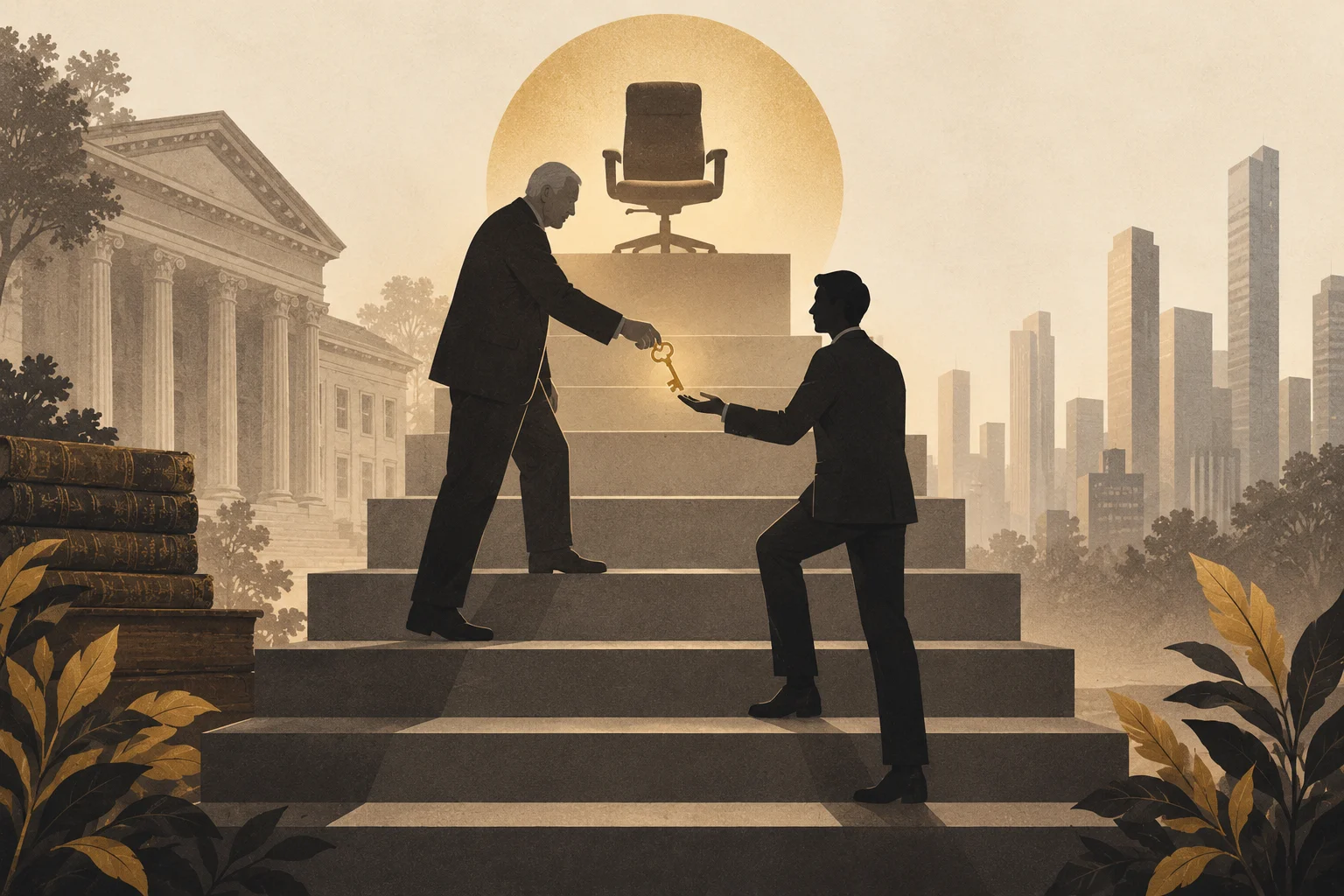
Succession in Family Business: How to Hand Over Control Step by Step
September 23, 2026
How to Disagree in a Family Business Without Hurting the Family
September 16, 2026
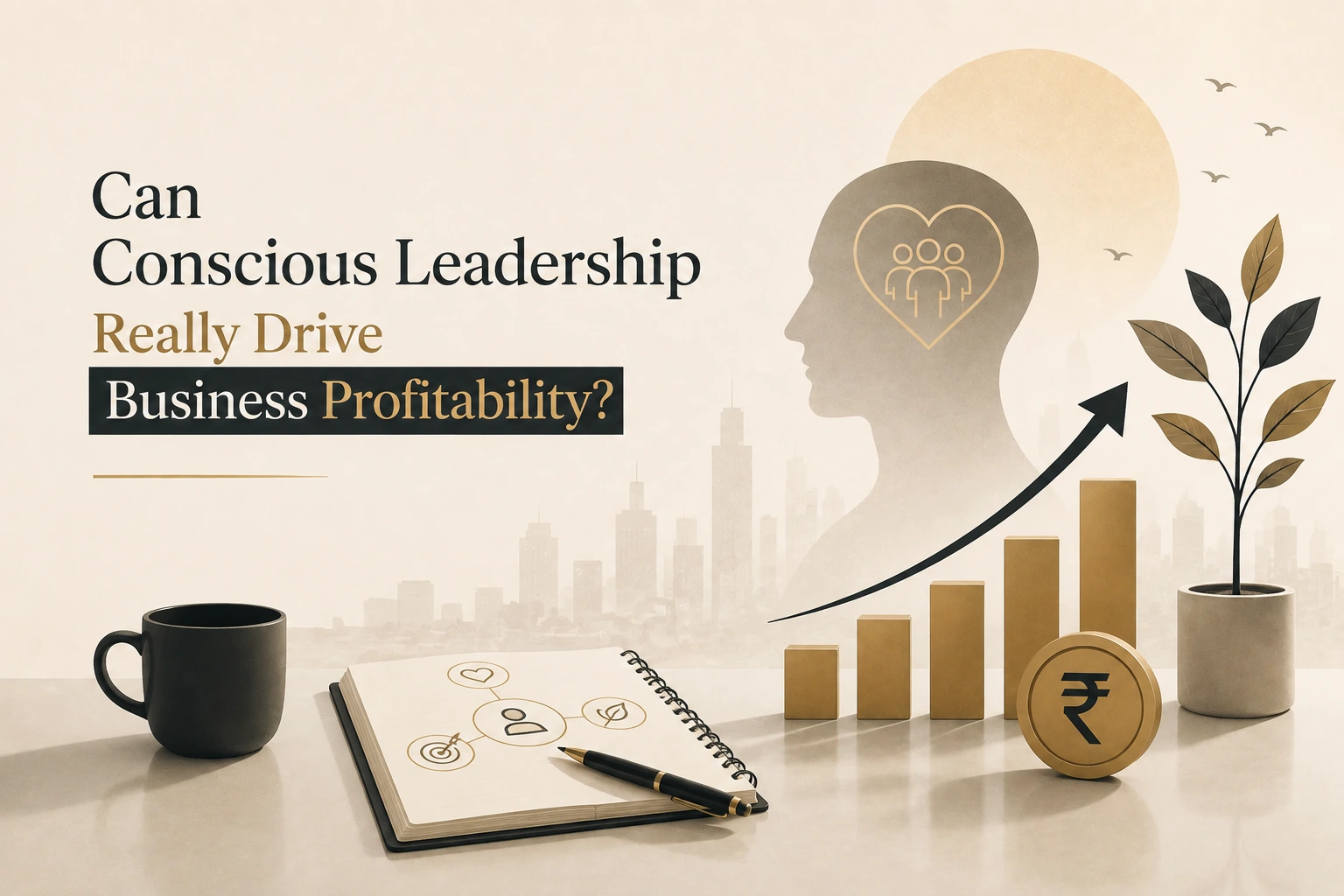
Can Conscious Leadership Really Drive Business Profitability?
August 27, 2026
Succession in Family Business: How to Hand Over Control Step by Step
September 23, 2026